Adam Bartlett
Mar 24, 2026
With all of the details that are involved in preparing for the Paschal Triduum, it can be easy to overlook its fruition on Easter Sunday morning. And that is why this series isn’t ending with the Easter Vigil, but with the Easter Sunday of the Resurrection of the Lord at the Mass during the Day.
As a parish musician, Easter Sunday usually comes as a welcome relief. And after giving your all on the previous evening, and often into the early hours of morning, the principal celebration of the entire liturgical year can come as something of an afterthought. It can be tempting to let your choir have the morning off so that they can get an early start on their Easter celebrations, and to put everything else on autopilot.
Priests surely will feel some fatigue and might be inclined to push through Easter Sunday with an eye toward Easter dinner and their annual Paschal Solemn High Nap that awaits. Resist these temptations! Easter Sunday is the day that every other Sunday of the year points to, and it should be the height of your liturgical and musical efforts to the extent that it can be.
Here are some helpful tips, along with scores and audio recordings from Source & Summit, to help you prepare for a beautiful and solemn Easter Sunday at your parish:
Easter Sunday Preparation Guide
The form of the Mass for Easter Sunday, happily, returns to the one that we’re most familiar with, but with a few added elements including the Easter Sequence and the Easter Dismissal. The Renewal of Baptismal Promises may optionally be used in place of the Creed, according to the form used in the Easter Vigil, and the Sprinkling Rite is encouraged by the General Instruction of the Roman Missal during Easter Time.
The antiphons of Easter Sunday also can bring added solemnity to the Easter Mass of the Day. Parishes sometimes introduce more chant along with the proper antiphons during Lent, however we should not lead our parishioners to believe that chant is a penitential practice! The chants of Easter have their own beauty and solemnity and they can be sung with great joy and enthusiasm, while leaving plenty of room for all of our beloved Easter hymns.
The Easter Sequence
There are four Masses in the liturgical year that include sequences, and two of them are optional. For Easter Sunday, and the outset of the Easter Season, as well as Pentecost Sunday, at its conclusion, the sequence is required. The Easter Sequence is also sung or recited throughout the entire Octave of Easter.
According to the GIRM, the Sequence is sung before the Alleluia with all seated. Interestingly, this is in contrast with the Introduction to the Roman Gradual and Ordo Cantus Missae (Order of the Sung Mass), which places the Sequence after the Alleluia. If it is sung before the Alleluia, singing it unaccompanied and more immediately following the Second Reading might encourage those in the pews to remain seated rather than standing for what they expect to be the Alleluia. If the rubric of the Graduale Romanum is followed instead, then that risk is likely to be mitigated altogether.
The Introduction to the Ordo Cantus Missae also states that the Sequence is ordinarily sung either in alternation between two or more cantors and the entire choir, or between two sections of the choir. Of course, if there is no choir it can be sung by necessity by a single cantor or even by the priest celebrant in the absence of a cantor. The typical alternation in the singing of the Sequence occurs between verses, following the double barline in the chant melody. It should be noted that the Sequence is not put forth by the liturgical books as a congregational song. Much like the readings and the verses of the Responsorial Psalm and Alleluia, it should be listened to attentively and prayerfully by all.
Here is a chant setting of the Easter Sequence, Christians, to the Paschal Victim, as it is found in the Source & Summit Gradual:

Easter Sunday: The Easter Sequence
Singing the Antiphons of Easter Sunday
The antiphons of the Mass of Easter Sunday are profound, and worthy to be sung on Easter Sunday and throughout the Easter season. Since most parishes begin the Easter Mass of the Day with a literal or figurative trumpet blast and a triumphant hymn, it would be best to sing the Entrance Antiphon at the conclusion of the hymn and during the incensation of the altar. The antiphon alone could be sung by a cantor or the choir, or sung by the entire congregation after it is first sung by a cantor. Additional verses can be added as needed to cover the liturgical action, but it should conclude when the priest reaches the chair.
When the chanted Entrance Antiphon proceeds directly into the sung Introductory Rites and a sung Order of Mass, a solemn tone is set for the entire liturgy. In the words of the Constitution on the Sacred Liturgy of the Second Vatican Council, “liturgical worship is given a more noble form when it is celebrated in song, with the ministers of each degree fulfilling their ministry and the people participating in it” (see SC 113). And Musicam Sacram adds that “Pastors of souls will therefore do all they can to achieve this form of celebration” (see MS 5). The GIRM also states that “in the choosing of the parts actually to be sung, preference is to be given to those that are of greater importance and especially to those which are to be sung by the Priest or the Deacon or a reader, with the people replying, or by the Priest and people together” (see GIRM 40).
On this “Feast of Feasts” and “Solemnity of Solemnities,” how much more appropriate is it for priests to take up the Church’s call to sing their parts of the Mass than they might on any other Sunday?
The Offertory and Communion Antiphons add different dimensions to the Resurrection of Christ with texts from Psalm 76 (75), 1 Corinthians 5, and Psalm 118 (117). The Offertory Antiphon can be sung prior to an Offertory Hymn, and the Communion Antiphon, which should be sung as soon as the priest receives communion, can be sung with many verses with plenty of time in most cases for a Communion Hymn and choral piece to follow. If Communion Antiphons were sung in your parish during Lent, be sure not to miss the opportunity to continue that practice on Easter Sunday and throughout the Easter Season.
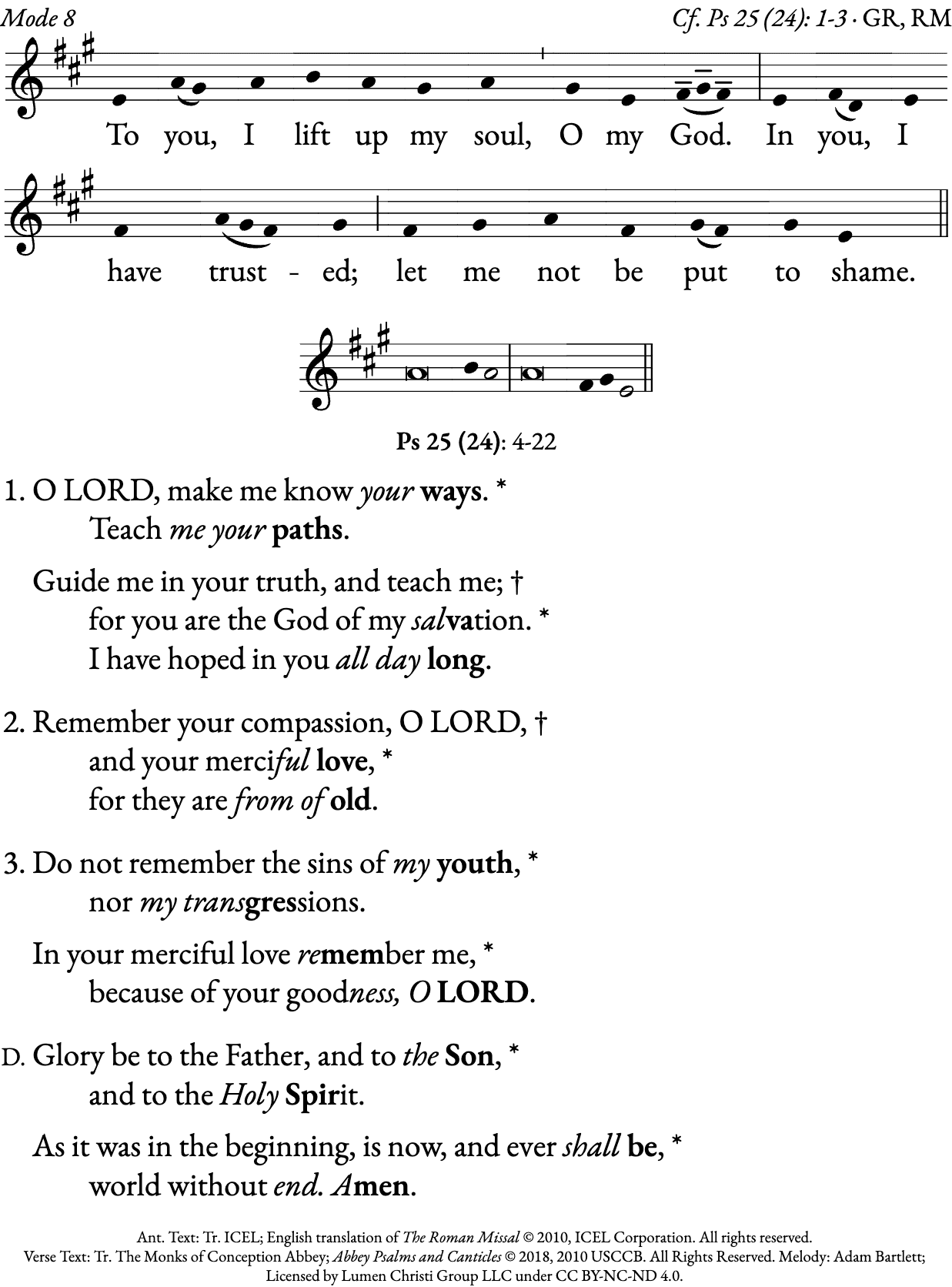
Here are the antiphons of Easter Sunday, the Mass of the Day, as found in the Source & Summit Missal:
Easter Sunday: Antiphons
Final Music Tips for Easter Sunday:
If you are preparing music for Easter Sunday at your parish, the following practical points can help the Mass During the Day unfold with greater solemnity and keep important musical details from being overlooked after the demands of the Triduum.
Encourage the Clergy to Sing the principal parts of the Mass
If there is any Sunday in the year when priests and deacons should consider chanting the Gospel, dialogues, and the Eucharistic Prayer, Easter Sunday is it. The General Instruction of the Roman Missal gives priority to those parts of the Mass that belong to the ordained ministers, which should be especially considered on the greatest solemnities.
Chanting the Eucharistic Prayer in particular is far more approachable than might first appear, especially with a little guided practice; for a more detailed look at how to learn and rehearse the Eucharistic Prayer, even with little experience or formal musical experience, consider this explainer, or share it with your priests
Double-Check and Give Reminders about the Sprinkling Rite
When the Sprinkling Rite occurs, it replaces the Penitential Act and therefore a Kyrie is not sung. After it concludes, the Gloria begins immediately. Even though this is all certainly coordinated ahead of time, a timely reminder before Mass could prevent tired priests (and tired musicians) from working on autopilot as if it were a normal Sunday Mass.
Consider the Proper Antiphons, even with Festive Hymns
Easter Sunday is a welcome time for festive congregational hymnody, but that does not mean the proper antiphons should disappear. A parish can combine a strong hymn tradition with the Entrance, Offertory, or Communion Antiphons in a way that enriches the liturgy and helps the music reflect the Church’s proper texts for the day. Resources such as Source & Summit Digital Platform can be useful here by making those chants and their verses easier to plan and implement.
Express Gratitude—and Get Rest!
By the end of Holy Week, pastors, musicians, cantors, choir members, and liturgy coordinators have often carried an enormous amount of work. Easter Sunday is a fitting time not only to celebrate the Resurrection, but also to offer sincere words of thanks to those who helped the parish pray these liturgies well. A brief word of gratitude from clergy and music leaders can go a long way.
And after the work of Holy Week is done, encourage everyone to take some real rest and enjoy the fruits of the Easter, yourself included. You deserve it!
A Brief Word of Thanks
Easter Sunday deserves more than leftover energy after the Triduum. Its music should be prepared with the same care given to the days that lead up to it. When parish musicians and clergy approach Easter Sunday with that kind of intention, the liturgy can unfold not merely as a familiar Sunday Mass with extra festivity, but as the radiant celebration of the Resurrection toward which the whole liturgical year is ordered.
Thank you for reading, and for the care you bring to the Church’s liturgical life. Pastors, musicians, cantors, and liturgy coordinators do quiet and demanding work that helps the faithful enter in to these sacred days with greater intentionality, focus, and reverence.
At Source & Summit, it is a privilege to serve that work through our Missal and our Digital Platform, which are designed to help parishes elevate the liturgy. We are especially grateful for the many subscribers with whom we are already partnering, and we are honored to support that work in whatever way we can. If there’s anything we can do to help you and your parish, please don’t hesitate to reach out.